
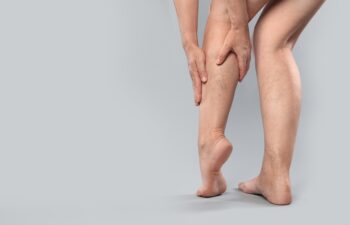
When most people think about problematic leg veins, their minds go to one of two extremes: the delicate red and purple spider veins that web across the skin’s surface, or the bulging, rope-like varicose veins that twist beneath it. But there’s a third category of veins that often flies under the radar—and ignoring them could be why your spider vein treatments aren’t delivering lasting results.
Reticular veins, sometimes called feeder veins or blue veins, occupy the middle ground between spider veins and varicose veins. They’re larger than spider veins but don’t bulge like varicose veins. And for South Florida residents hoping to feel confident in shorts, skirts, and swimwear this summer, understanding these veins could be the key to finally achieving the smooth, clear legs you’ve been working toward.
At Precision Medical Specialists in Wellington, Dr. Mario Rueda specializes in comprehensive vein treatment that addresses all three types of problematic veins. His approach recognizes what many patients discover the hard way: treating spider veins while ignoring the reticular veins feeding them often leads to disappointing, short-lived results.
What Exactly Are Reticular Veins?
Reticular veins are dilated veins that sit in the layer between your skin’s surface and the deeper venous system. They typically measure between one and three millimeters in diameter—too large to be spider veins but too small and flat to qualify as varicose veins. Their characteristic blue or greenish color comes from their depth; the overlying skin filters the light, making the red blood appear blue.
You’ll most commonly find reticular veins on the outer thighs, behind the knees, and around the ankles. Unlike the tiny capillaries that form spider veins, reticular veins are actual veins with walls and valves—and when those valves weaken, blood flows backward and pools, causing the vein to dilate and become visible.
Here’s where it gets important: reticular veins often feed clusters of spider veins. They’re the source, sending blood into smaller surface vessels that then become visible as those familiar red and purple webs. Treat the spider veins without addressing their feeding reticular vein, and you’re essentially pruning branches while leaving the root intact. The spider veins will likely return.
Why You Might Not Have Heard About Them
Reticular veins don’t generate as much conversation as their cousins for a few reasons. They rarely cause the significant physical symptoms associated with varicose veins—the aching, heaviness, and swelling that drive people to seek treatment. And they’re less immediately noticeable than spider veins, which draw attention with their vivid colors and dense patterns.
Many patients only learn about reticular veins when a vein specialist explains why their previous spider vein treatments haven’t held up. Others discover them during a comprehensive vein evaluation when a trained eye identifies the bluish channels running toward visible spider vein clusters.
In South Florida, where leg-baring weather lasts most of the year, both cosmetic concerns and physical symptoms motivate patients to seek vein treatment. Reticular veins may not cause the cramping or restless legs that varicose veins can, but they absolutely contribute to the overall appearance of your legs—and addressing them produces more complete, longer-lasting cosmetic improvement.
The Connection Between Reticular and Spider Veins
Think of your venous system as a network of rivers and streams. Reticular veins are like small rivers that branch into the tiny streams of spider veins. When a reticular vein develops valve dysfunction and begins to dilate, the increased pressure gets transmitted downstream into those smaller vessels. The result? More spider veins forming in the area fed by that reticular vein.
This relationship explains a frustrating pattern many patients experience. They undergo treatment for spider veins, see initial improvement, then watch new spider veins appear in the same area within months. The underlying reticular vein continues to malfunction, creating new spider veins to replace the ones that were treated.
Dr. Mario Rueda’s training as both a general surgeon and vein specialist gives him the anatomical expertise to identify these feeding relationships. During your evaluation at Precision Medical Specialists, he maps not just the visible spider veins but also the reticular veins supplying them. This comprehensive assessment informs a treatment plan that addresses the entire problem rather than just the most visible symptoms.
How Reticular Veins Are Treated
The good news is that reticular veins respond well to treatment. The most common approach is sclerotherapy—the same technique often used for spider veins, though with modifications appropriate for the larger vessel size.
During sclerotherapy, a solution is injected directly into the vein, causing its walls to collapse and seal shut. Blood reroutes through healthy veins, and the treated vessel eventually fades from view as your body naturally absorbs it. The procedure is performed in-office with minimal discomfort and requires no anesthesia or downtime.
For reticular veins, the sclerosing solution may be slightly more concentrated than what’s used for spider veins, reflecting the larger vessel size. Some practitioners also use foam sclerotherapy for reticular veins, which involves mixing the solution with air to create a foam that makes better contact with the vein walls.
Treatment sessions typically take 30 to 60 minutes, depending on how many veins are being addressed. Most patients require multiple sessions spaced several weeks apart to achieve optimal results. You can return to normal activities immediately, though you’ll likely wear compression stockings for a period afterward to support healing and improve outcomes.
The Strategic Approach to Vein Treatment
When reticular veins feed clusters of spider veins, the treatment sequence matters. Dr. Rueda typically recommends treating the reticular veins first or simultaneously with the spider veins they supply. Addressing the source of the problem prevents the treated spider veins from recurring and produces more durable cosmetic improvement.
This strategic approach requires the kind of comprehensive vein assessment that Precision Medical Specialists provides. It’s not enough to simply inject every visible vein; understanding the relationships between different vessels allows for more efficient treatment with better long-term results.
Some patients arrive having already treated their spider veins elsewhere, frustrated by recurrence. A thorough evaluation often reveals untreated reticular veins that are continuing to feed new spider vein formation. Addressing these overlooked vessels finally breaks the cycle of treatment and recurrence.
Timing Your Treatment for Summer
May in South Florida marks the unofficial start of summer, with temperatures and humidity climbing toward their peaks. If you’ve been thinking about vein treatment before beach season, now is an excellent time to act—but not for the reasons you might assume.
Many people believe they should wait until fall or winter to address leg veins, reasoning that covered-up legs make recovery easier. There’s some logic to this, particularly for more extensive treatments. But for spider and reticular vein sclerotherapy, the timeline is more flexible than you might think.
What matters most is giving yourself enough time before you want your legs to look their best. While treated veins begin fading almost immediately, optimal results typically appear four to six weeks after your final treatment session. Since most patients need multiple sessions spaced several weeks apart, planning ahead is key.
Starting treatment now—in early May—allows time for multiple sessions before the heart of summer. You’ll be able to enjoy your improved results throughout the season rather than waiting until next year.
There are practical considerations for summer treatment as well. Post-sclerotherapy care involves wearing compression stockings and avoiding prolonged sun exposure on treated areas. In South Florida’s summer heat, compression stockings are admittedly less comfortable than they would be in cooler months. However, many patients find this temporary inconvenience worthwhile to achieve results in time for summer activities.
Who Should Consider Reticular Vein Treatment?
You might benefit from reticular vein evaluation and treatment if you notice bluish or greenish veins visible on your legs, particularly on the outer thighs, behind the knees, or around the ankles. You’re also a good candidate if you’ve had spider vein treatment before but experienced recurrence in the same areas. And if you’re considering spider vein treatment for the first time, a comprehensive evaluation that includes assessment of reticular veins will give you the best chance of lasting results.
Patients sometimes hesitate to seek treatment for veins that don’t cause physical symptoms, feeling it’s “just cosmetic.” But cosmetic concerns are legitimate concerns. How you feel about your appearance affects your confidence, your clothing choices, and your willingness to participate in activities you enjoy. There’s no need to minimize the impact of visible veins on your quality of life.
At the same time, Dr. Rueda’s comprehensive approach means he’ll evaluate your venous system for any signs of deeper dysfunction. About 30% of adults over 50 have chronic venous insufficiency, and many don’t realize it until they experience complications. A vein evaluation that begins with cosmetic concerns often identifies underlying issues that benefit from treatment for health reasons as well.
What to Expect During Your Consultation
Your vein consultation at Precision Medical Specialists begins with a thorough discussion of your concerns and goals. Dr. Mario Rueda takes time to understand what’s bothering you about your veins, whether that’s their appearance, physical symptoms, or both.
The evaluation includes visual examination of your legs in good lighting, often while standing to allow veins to fill naturally. Dr. Rueda may use specialized lighting or magnification to identify smaller vessels and trace the connections between visible spider veins and their feeding reticular veins.
For some patients, ultrasound imaging provides additional information about deeper venous function. This painless, non-invasive test can identify valve dysfunction that isn’t visible on the surface, ensuring that any treatment plan addresses the complete picture of your venous health.
Based on this comprehensive assessment, Dr. Rueda develops a personalized treatment plan. He explains which veins should be treated, in what order, and what results you can realistically expect. His commitment to patient education means you’ll understand your options fully before making any decisions.
The Expertise Behind Your Treatment
Dr. Mario Rueda brings a unique combination of credentials to vein treatment at Precision Medical Specialists. His surgical training at Johns Hopkins Hospital—ranked among the top two hospitals in the United States—provided a foundation of excellence that continues to inform his practice. As a Fellow of the American College of Surgeons with over 15 years of surgical experience and more than 5,000 procedures performed, his technical skill is matched by his depth of knowledge.
What particularly distinguishes Dr. Rueda’s vein practice is his parallel expertise in critical care medicine. As Director of Critical Care ICU at St. Mary’s Hospital, he maintains the comprehensive understanding of vascular physiology that allows him to see vein treatment as part of overall circulatory health rather than a purely cosmetic endeavor.
This dual perspective—aesthetic outcomes grounded in medical understanding—means patients at Precision Medical Specialists receive vein care that looks good and supports their vascular health.
Schedule Your Vein Consultation at Precision Medical Specialists
Whether you’re dealing with visible reticular veins, recurring spider veins that haven’t responded to previous treatment, or simply want to understand your options before summer arrives, a comprehensive vein consultation is your first step.
Dr. Mario Rueda and the team at Precision Medical Specialists serve patients throughout Wellington, West Palm Beach, Jupiter, Boynton Beach, and Delray Beach from their state-of-the-art facility. Contact the office at (561) 557-3115 to schedule your evaluation and discover what comprehensive vein treatment can do for your confidence this summer and beyond.